Wonder Team
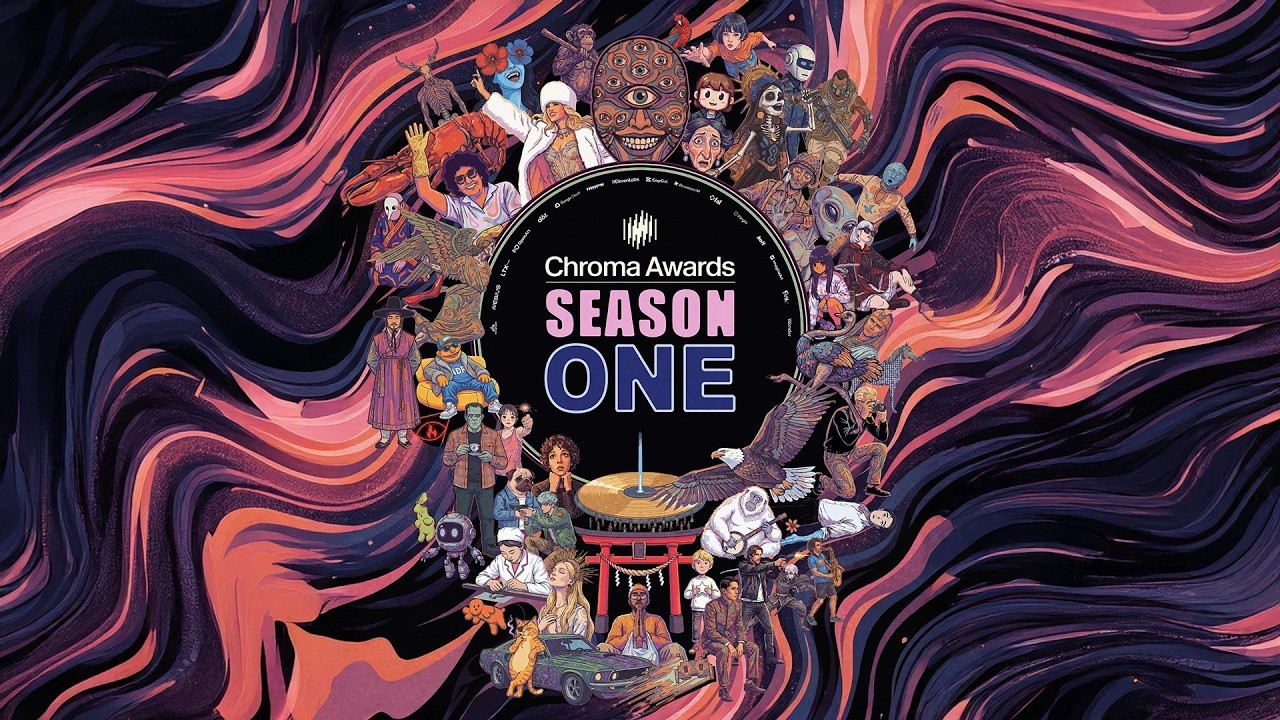
6,500 entries, eleven winning films on a big screen in Mayfair, and a panel about taste, not tools.
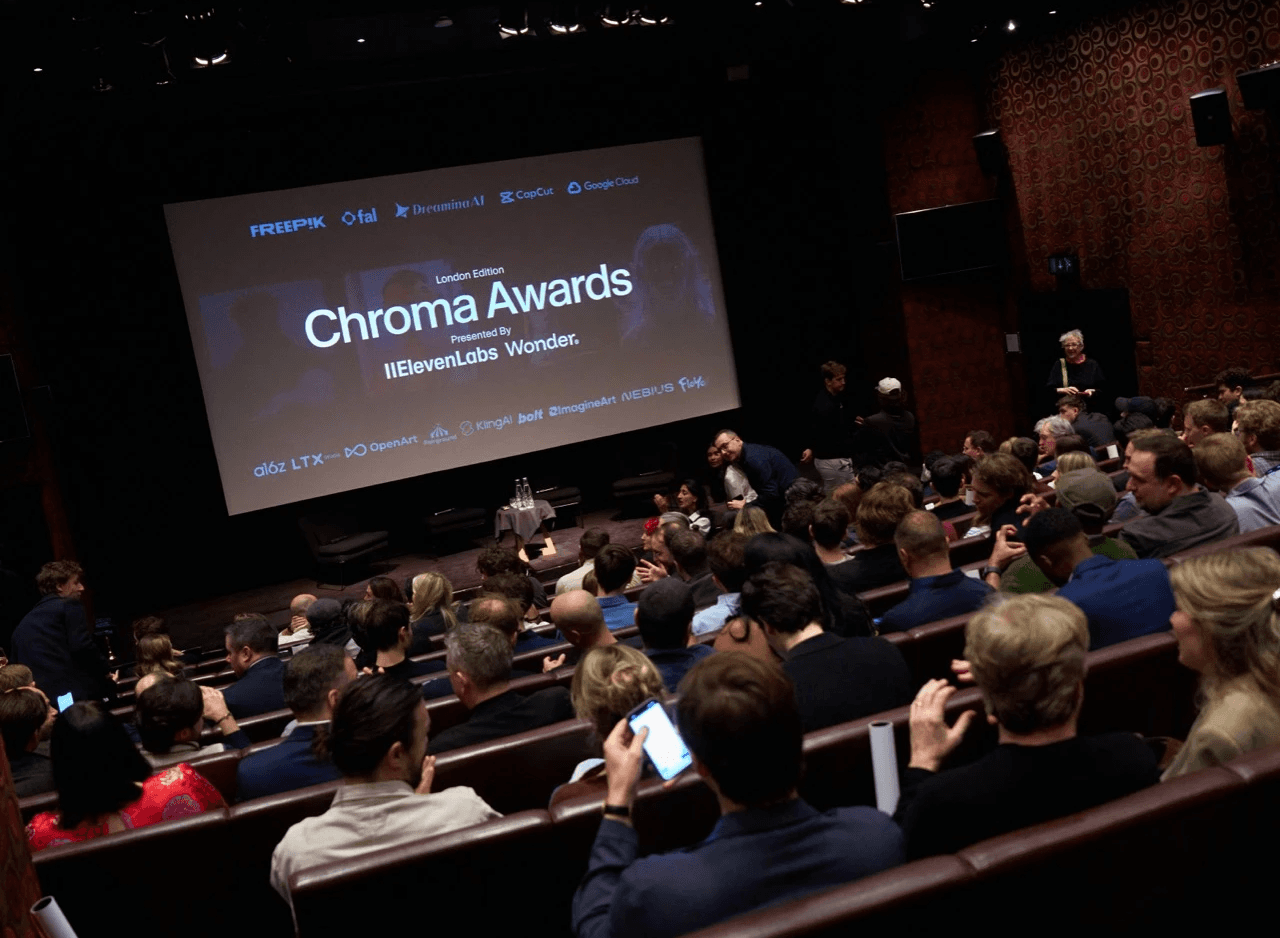
That was the Chroma Awards Season One AI Film Night, co-hosted by Wonder Studios and ElevenLabs.
The Chroma Awards is an AI film, music video, and games competition. Season One ran across three divisions:
Film
Music Video, and
Games
with over $175,000 in cash prizes and more than $1 million in tool credits on offer.
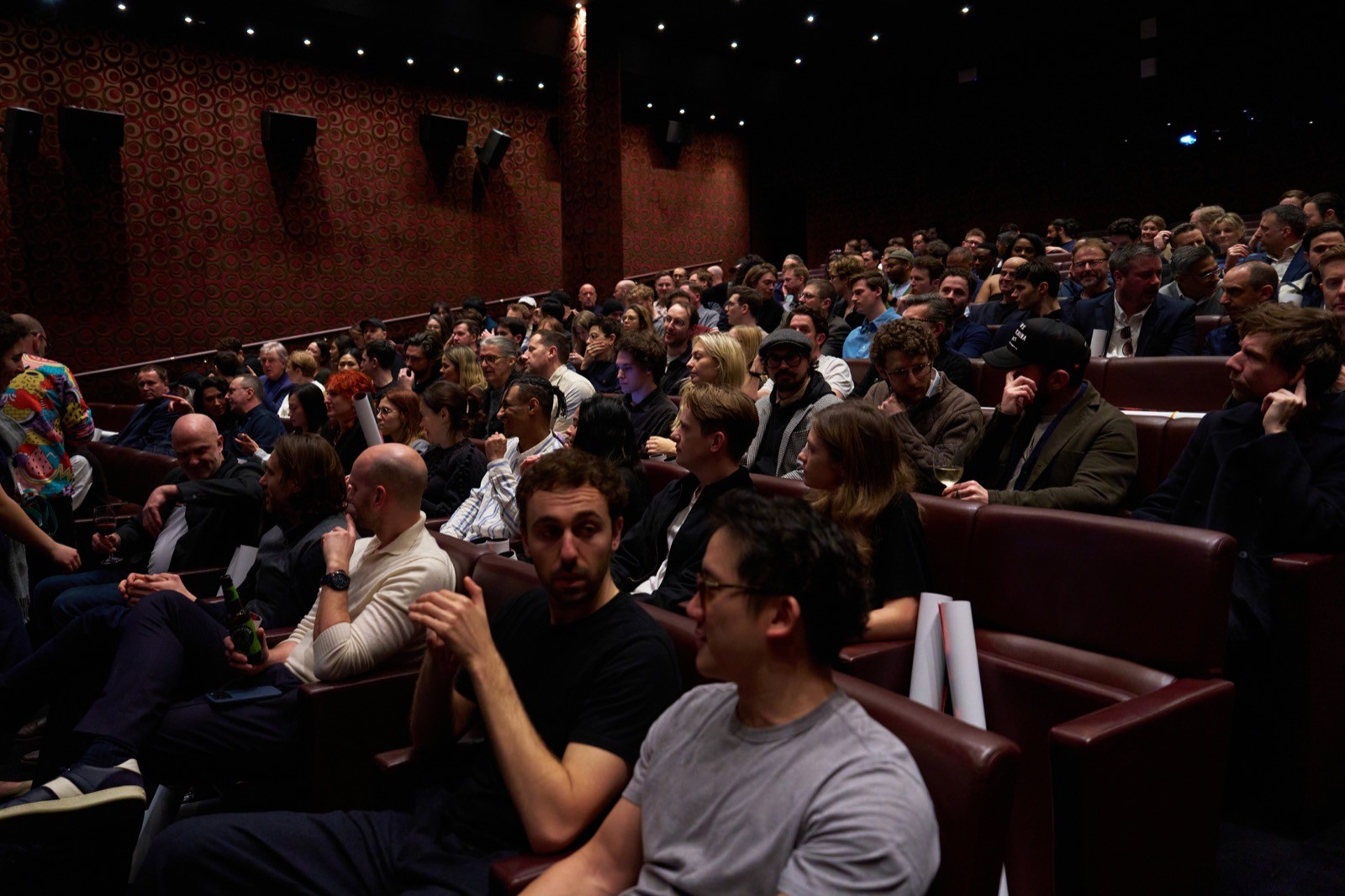
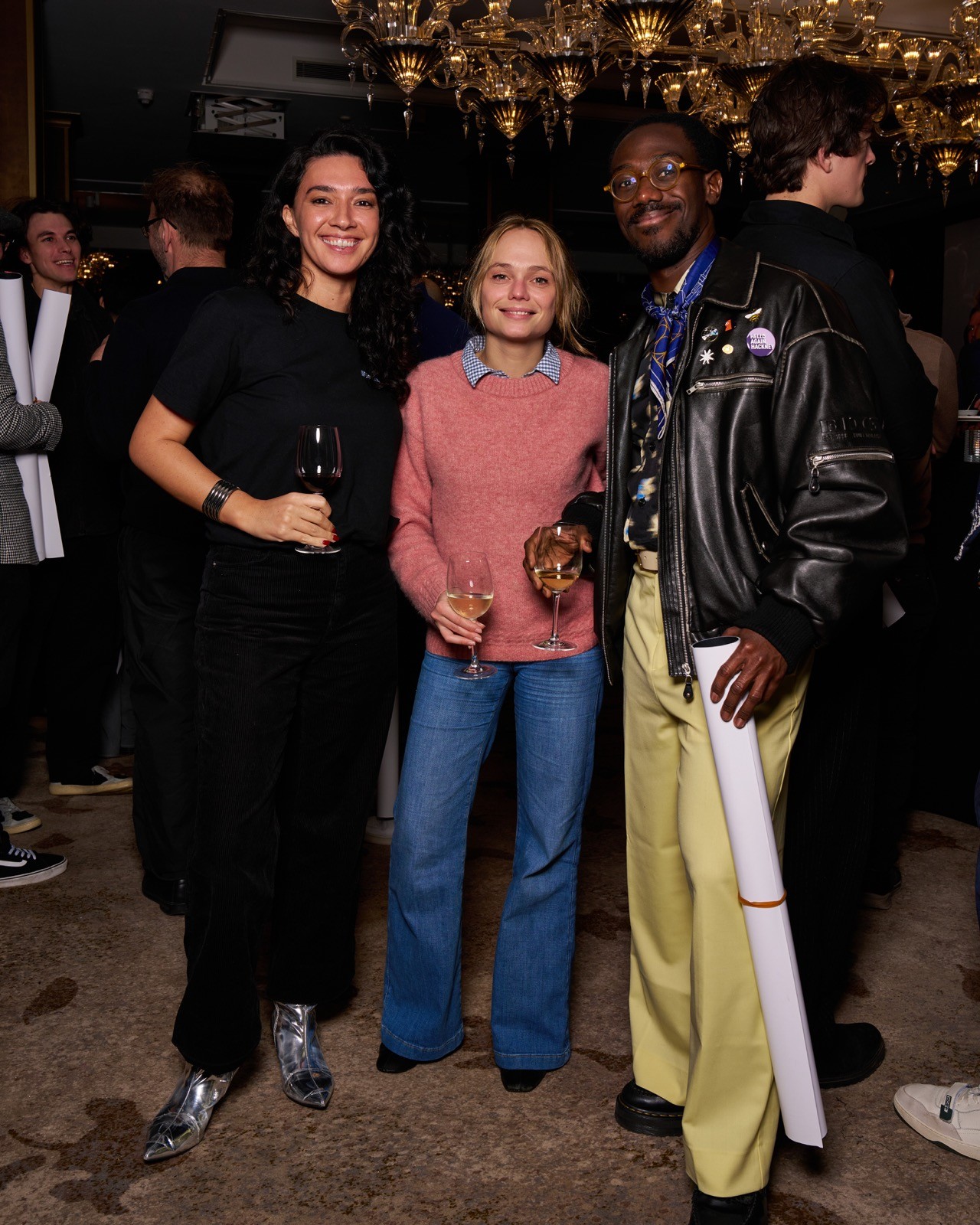
The London screening was the culmination of it all: two hundred creators, builders and tastemakers enjoying a private screening of the eleven winning projects on the big screen.
The room
Early adopters who have been working with AI tools since the Midjourney and Runway days stood next to people from traditional production who wanted to see what this medium looks like when it fills a screen. Several Beyond the Loop alumni joined us, along with members of the wider Wonder community who had travelled from across the UK and Europe.
The energy was the kind you get when a crowd already knows each other’s work from online but is meeting in person for the first time.
The films
Eleven winners played across the evening, selected from 6,500 submissions across thirteen Film categories - Animation/Anime, Action/Adventure, Comedy/Mockumentary, Drama/Romance, Documentary/Historical, Horror/Thriller, Sci-Fi/Fantasy, and more.
The films had real editing choices, sound design, pacing, and emotional weight. A film that looks good on a phone at 2am hits differently when it’s projected in a dark room full of people paying attention.
You can watch the finalists on the Chroma Awards site.
The panel
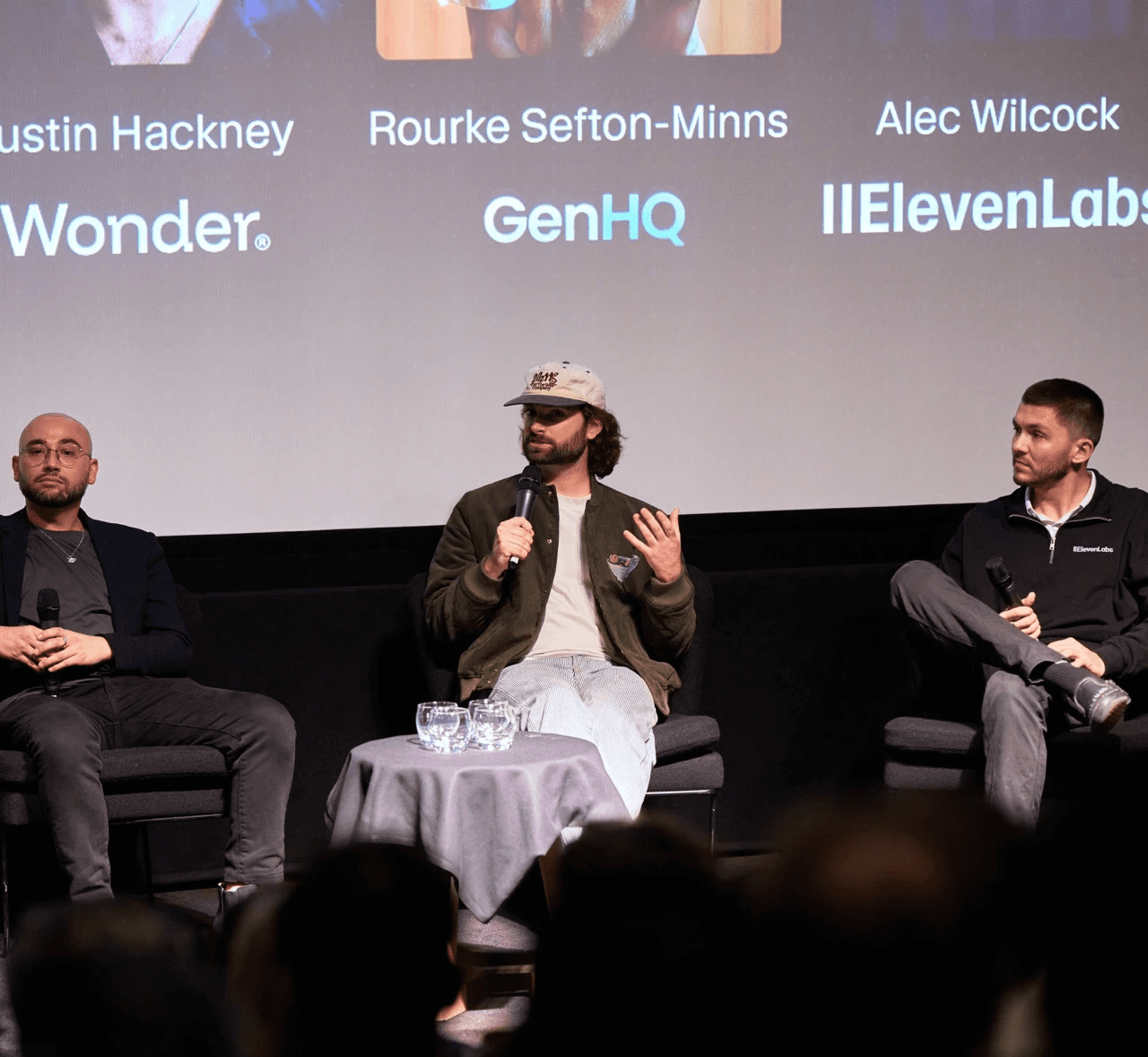
Justin Hackney and Matty Shimura joined Rourke Sefton-Minns and Alec Wilcock on stage for a panel conversation that kept circling back to the same tension: tools are easy to learn, taste is not.
“You are a product of what you consume. So raise the bar. Study great filmmakers, editors, directors, writers. Read more. Watch better work. Inspiration shapes taste. Taste shapes output.”
Rourke Sefon-Minns
Justin has made the same argument in his talk at Upscale Conf last year: the persistence to keep pushing deeper is what’s rare, not access to software.
On converting AI sceptics, Rourke’s answer was process over output.
“When people see the process behind the work, everything changes. Documenting how something is made builds trust. And trust changes the narrative.”
This is exactly why we run live workshops and GenAI jam sessions. When people watch talented creatives pushing these tools to their limits and exercising taste at every avenue, the “it’s just prompts” framing instantly falls apart.
Rourke described consulting for companies where most people were not interested in AI at all. But when he showed how it could improve a specific part of their workflow - storyboarding, protecting creative direction from idea to execution - they leaned in.
“AI isn’t about replacing everything. It’s about solving specific problems inside real workflows.”
Getting into AI creative work
Alec posted his own takeaway afterward. His advice: start creating and share it online.
“The easiest way in is to make spec ads for the brands you’d love to work with and share them on social media. If you do it right, your inbox will fill up fast.”
But tools are not the differentiator:
“You can master them in a week if you really wanted to. What separates you is your taste and creative direction.”
The barrier to entry is lower than it has ever been, meaning people with talent who previously could not get into creative work because of budget constraints now can. Beyond the Loop is built around that idea. So are the original films coming out of our studio and community.
What comes next
The Chroma Awards is pre-registering for Season Two, and Beyond the Loop Season Two is accepting applications.
Our events page lists upcoming screenings and workshops, and our community is open.
Join us.